



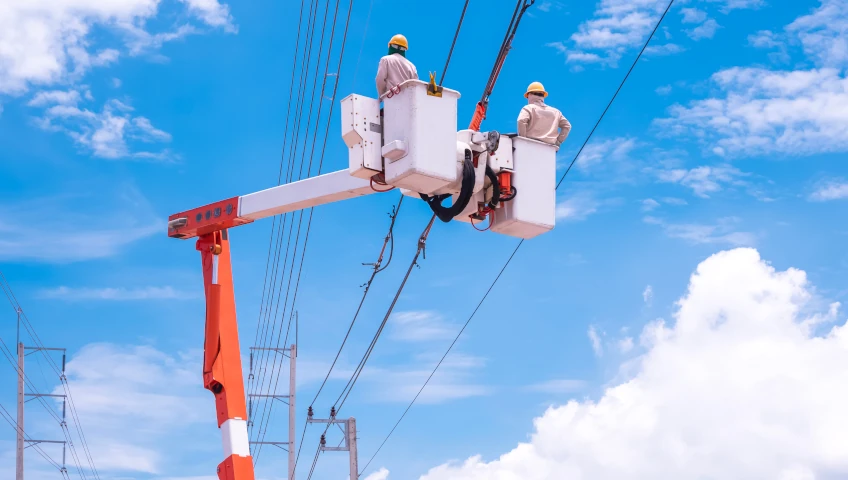
Fiberglass buckets are a critical component of aerial lift equipment, supporting safe and efficient work at height across utility, telecom and tree care industries. While they may look similar at a glance, not all buckets are built the same. Differences in size, configuration and insulation can directly impact operator safety, productivity and equipment compatibility.
For buyers, fleet managers and operations leaders, understanding these differences is key to selecting the right solution. This guide breaks down the most common types of fiberglass buckets, helping you narrow down the best option for your specific application before requesting a quote.
Shop Fiberglass Truck Buckets >
Key Considerations When Selecting a Fiberglass Bucket
Before making a final decision, evaluate the following factors:
- Bucket size and capacity
- Single or double configuration
- Insulation requirements
- Equipment compatibility
- Application and industry needs
Taking a structured approach to selection helps ensure you choose a bucket that supports both safety and productivity.
Common Fiberglass Bucket Sizes
Fiberglass buckets are available in a range of sizes to accommodate different job requirements. Choosing the right size affects not only comfort and efficiency but also safety and compliance.
Small Buckets
Compact buckets are ideal for tight spaces or jobs that require quick access with minimal equipment. These are often used in urban environments or for light-duty tasks.
Standard Buckets
Standard sizes are the most widely used across utility and telecom work. They provide enough space for one operator and essential tools, balancing maneuverability with functionality.
Large and Two-Person Buckets
Larger buckets are designed to support two operators or additional equipment. These are commonly used in applications where teamwork or extended job duration is required.
How to Choose the Right Size
When selecting a bucket size, consider:
- Number of operators it must accommodate
- Tools and materials it needs to carry
- Job site conditions and accessibility
Exploring available fiberglass bucket options can help you compare sizes and determine the best fit for your fleet.
Single vs Double Bucket Configurations
Beyond size, bucket configuration plays a major role in how work gets done in the field.
Single Buckets
Single buckets are designed for one operator. They are typically lighter and easier to maneuver, making them ideal for service work, inspections and quick maintenance tasks.
Double Buckets
Double buckets allow two operators to work simultaneously. This configuration can improve efficiency on larger jobs and is often used in utility and telecom applications where coordination is required.
When to Choose Each Option
The choice between single and double buckets depends on:
- Crew size
- Type of work being performed
- Desired productivity and workflow
Selecting the right configuration ensures both safety and operational efficiency.
Insulated vs Non-Insulated Buckets
One of the most important distinctions between fiberglass buckets is whether they are insulated, as this directly affects where and how they can be safely used, as well as the standards they must meet in the field.
Insulated Buckets
Insulated buckets are designed for electrical work and help protect operators from electrical hazards. These buckets are built to meet strict safety standards and are essential for utility crews working near energized lines.
Non-Insulated Buckets
Non-insulated buckets are typically used in applications where electrical exposure is not a concern, such as tree trimming or general maintenance. They are often more cost-effective while still providing durability and reliability.
Understanding ANSI Compliance
Insulated buckets must meet ANSI (American National Standards Institute) standards for aerial devices to ensure proper protection and performance. Compliance is critical not only for safety but also for meeting regulatory requirements and reducing liability.
Aerial Lift Compatibility: Matching Buckets to Your Equipment
Not all fiberglass buckets are universally compatible with every aerial lift. Ensuring the correct fit for your equipment is essential for safe operation, proper load handling and long-term performance.
Replacement fiberglass buckets are typically produced by specialized manufacturers and engineered to fit specific OEM models, such as Altec, Terex, Versalift or ETI.
The key, though, is not matching brand to brand, but matching the bucket to your equipment specifications, including:
- Mounting pattern and bolt configuration
- Bucket dimensions and capacity
- Boom model compatibility
- Insulation rating requirements (if applicable)
Using manufacturer categories can still be helpful as a starting point, especially when browsing or filtering options. However, final selection should always be based on confirmed fit and specifications to ensure safety, compliance and proper installation.
Applications by Industry
Different industries rely on specific bucket types based on their unique requirements.
Utilities
Utility work often requires insulated buckets and, in many cases, double configurations to support team-based tasks and electrical safety.
Telecom
Telecom crews may use a mix of single and double buckets, depending on the job. Maneuverability and efficiency are key considerations.
Tree Service and Arborists
Tree care professionals typically use non-insulated buckets designed for durability and resistance to debris and environmental wear.
Municipal and General Maintenance
Municipal fleets often require versatile bucket options that can support a wide range of tasks, from lighting maintenance to infrastructure repair.
Explore Fiberglass Bucket Options for Your Equipment
Selecting the right fiberglass bucket does not have to be complicated. By understanding the differences in size, configuration and insulation, you can narrow down your options and make a more informed decision.
Alliance Equipment offers a wide range of fiberglass buckets designed to meet the needs of utilities, telecom providers, tree service companies and more. With options available by size and manufacturer, it is easier to find a solution that fits your equipment and application.
Browse available fiberglass buckets to compare configurations, review compatibility and find the right fit for your aerial lift equipment.