



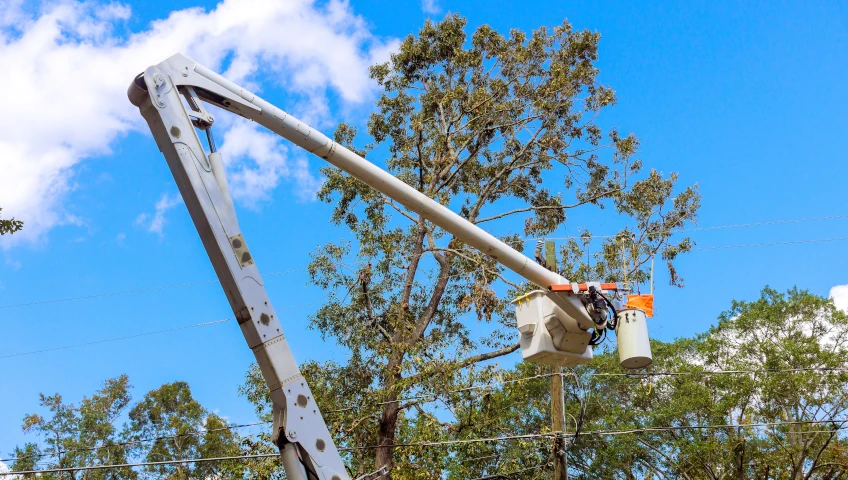
“It’s just a little dirt. How bad can it be?” If that dirt is on the bucket of a bucket truck, it’s a serious problem.
Dirt, wear, cracks, and other flaws in the bucket are critical issues that could compromise bucket truck safety. When a bucket is in poor condition, it puts your crew at risk of severe injury or even death. That’s why a bucket truck with a worn or damaged bucket won’t pass inspection, which can lead to costly, unplanned downtime.
Bucket condition is a critical factor in bucket truck safety. Learn how to spot signs of wear that affect compliance, and what to do to ensure your truck meets ANSI standards.
Why Bucket Condition Is a Safety Issue
The bucket of an aerial lift is designed to support and protect its operator. But over time, real-world conditions can weaken that protection.
Exposure to UV rays, chemicals, weather, and everyday wear and tear can degrade the bucket structure and compromise its electrical insulation, increasing the risk of falls or electric shock.
For crews working near energized lines, even minor damage can reduce the margin of safety and significantly increase risk.
Key ANSI Bucket Truck Requirements
ANSI A92.2 provides standards for safe use of vehicle-mounted aerial devices. In addition to the pre-start inspections every operator must perform before the day’s work, ANSI standards for bucket trucks include frequent and periodic inspections as well.
Inspection criteria vary depending on the type of inspection, with the periodic inspection being the most thorough. Each type of bucket truck inspection must ensure that all aspects of the aerial lift equipment are maintained in good operating conditions.
For buckets, that means:
- The bucket is free from structural damage
- Dielectric testing confirms electric insulation performance
- Failed units must be removed from service until they are repaired and pass another inspection
What to Look for During a Bucket Truck Inspection
A thorough inspection must verify that there are no signs of wear or damage that could affect compliance and lead to failure.
These are critical areas of the bucket to evaluate:
- Surface: Must be free of damage, including cracks, which indicate stress and can lead to further weakness or failure. Also check for dirt or oil, which can impact dielectric performance, as well as UV degradation, which indicates material breakdown.
- Bucket liner: Must be intact, without thinning, wear or improper fit. Bucket liners are an important protective layer that provides greater electrical insulation.
- Mounting points: Hardware that is loose or damaged can reduce stability and affect safe operation.
Bucket Liner Safety Matters More Than You Think
Bucket liners provide additional protection for operators by adding another insulating barrier between them and the bucket. They help prevent electrical currents from reaching the worker while also providing improved comfort in the bucket.
But like all components, they can wear down over time. Weather conditions, UV rays, and incidental gouges from operator tools can all take a toll. If bucket liners are not replaced on schedule, their effectiveness is reduced. That can leave bucket operators vulnerable, especially in high-voltage environments.
Bucket truck safety inspections should include careful evaluation of bucket liner condition, looking for cracks, warping, improper installation, poor fit, or thinning from repeated use. Replace the bucket liner as soon as these defects are noted. If you’re in doubt about its safety, err on the side of caution and replace it.
Preventative Maintenance vs. Reactive Repairs
Many fleets replace bucket liners only after failure. But that carries a high cost: increased risk for operators, plus potential downtime, compliance issues and repair costs.
Preventive maintenance and replacement ensure regulatory compliance and safe operations for your crew. This includes:
- Regular inspections for damage
- Annual inspection and dielectric testing to confirm the integrity of the insulation
- Manufacturer-recommended cleaning and maintenance
- Proper use of covers and accessories
- Replacement when wear or damage is detected
Keep Your Fleet Safe and Compliant
Bucket conditions can determine whether a bucket truck passes inspection and performs safely. By regularly inspecting the entire unit, adhering to ANSI standards for electrical testing, and replacing worn or damaged bucket liners, you can keep your bucket truck in top condition and compliant.
Explore fiberglass buckets, replacement liners, protective bucket covers and other bucket truck accessories to ensure long life for your bucket truck fleet.
Ensure your equipment meets compliance standards and fits your needs—speak with an Alliance Equipment specialist today.